March 2026 – Issue 234
Global Securities
Services
Dear Clients, Partners, and Friends,
Over the past years, UniCredit’s securities services business has been on a journey of deep transformation – a shift not defined by a single milestone but by the steady accumulation of change across systems, processes, and ways of working. With the rollout of our BANCS core custody platform across eight countries, we did much more than introduce a new technology. We rebuilt our operational foundations: reexamining long-established practices, cleansing and harmonizing data at an unprecedented scale, and embedding automation into the fabric of our daily work. What emerged from this effort is a more unified, scalable, and resilient custody landscape – one that reflects our ambition to serve clients with greater consistency and precision across our network.
This renewed foundation now enables us to enter the next chapter: preparing for the European transition to T+1. While T+1 is an industry deadline, for us it has become something broader – a catalyst prompting us to rethink how we operate, collaborate, and design our services. Teams across our markets are reinforcing processing capacity, optimizing hardware for tighter intraday cycles, and improving the speed and reliability of real-time interactions with market infrastructures and counterparties. We are remapping the end-to-end custody journey to remove friction, enhance controls, and ensure that every step – from trade capture to reconciliation – can operate at the cadence that next-day settlement demands.
This operational evolution is strengthened by significant Groupwide initiatives. Automated regression testing now accelerates delivery cycles for BANCS, ensuring consistent quality across markets. Our participation in international BANCS user groups allows us to align more quickly with global standards and further harmonize processes with key clients. Newly developed data exchange channels give clients richer, faster insights – supporting transparency in accounts, trades, and reconciliation.
Client Solutions is a division of UniCredit Group and consists of UniCredit S.p.A., UniCredit Bank GmbH, UniCredit Bank GmbH London Branch, UniCredit Bank GmbH Milan Branch and other members of UniCredit Group. UniCredit Group and its subsidiaries are subject to regulation by the European Central Bank. UniCredit S.p.A. is regulated by Banca d’Italia and supervised by the Commissione Nazionale per le Società e la Borsa (CONSOB). In addition, UniCredit Bank GmbH is regulated by the Federal Financial Supervisory Authority (BaFin), UniCredit Bank GmbH London Branch is authorised and regulated by the Financial Conduct Authority (FCA), and UniCredit Bank GmbH Milan Branch is also regulated by Banca d’Italia and supervised by the Commissione Nazionale per le Società e la Borsa (CONSOB).
This publication is intended for marketing purpose only and it is published by UniCredit Group. Under no circumstances may the information contained in the published material be construed as an offer, recommendation, invitation to offer or promotional message for the purchase, sale or subscription of financial products. This marketing communication is directed solely at investment professionals and constitutes a “non-retail communication” for the purposes of the relevant rules.


© 2026 UniCredit S.p.A. - All Rights reserved
UniCredit
General Company Info
Privacy
Disclaimer
Accessibility


Nature’s Masterpiece�Exploring the Ovčar-Kablar Gorge: �A Tapestry of Natural Beauty and Cultural Heritage
Carved over millennia by the steady pulse of the West Morava River, the Ovčar-Kablar Gorge stands as a testament to nature’s quiet persistence and artistic mastery. Squeezed between the rugged limestone shoulders of Mt. Ovčar and Mt. Kablar in western central Serbia, this dramatic canyon unfolds like a living tapestry of rock, forest, and water where every bend in the river tells an ancient story, and every cliff face holds a secret.
Here, in the heart of Šumadija, the West Morava meanders through an intricate maze of narrow passages and broad bends. Its waters, warmed in places by thermal springs that bubble up unseen from deep beneath the limestone, reflect the changing symphony of seasons: the emerald greens of spring, the sapphire stillness of summer, the fiery palette of autumn, and the austere hush of winter.
Serbia
NAVIGATOR ARTICLE
This gorge is more than a geological wonder – it is a refuge. Forestry cloaks the steep slopes in an ancient embrace, a mosaic of oak, hornbeam, beech, and rare relic species that echo the region’s deep natural heritage. Here, more than 700 plant species thrive some endemic, other relics of bygone climates creating a living museum of botanical diversity. Orchids carpet the forest floor in spring, and birds of prey, from hawks to the iconic peregrine falcon, wheel above the cliffs in a timeless aerial ballet.
But even as nature reigns supreme, human hands have left an equally indelible mark: more than thirty monasteries and sacred sites have been woven into the canyon’s folds over centuries, earning this landscape the reverent nickname “Serbian Mount Athos.”


NEWS


Slovenia
Serbia

Bulgaria

Romania

Hungary

Slovakia

Czech Republic


Regulatory Update in Austria
Austria’s Financial Market Authority to Strengthen Sanction Oversight and Streamline AML Inspections
Austria
Austria

Croatia

Road Towards Integration
�Republic of Croatia Advances Towards OECD Accession, Highlighting Economic and Political Commitment
Croatia
Bulgaria entered 2026 with a notably smooth and well-coordinated transition to the Euro, completed on 1 January 2026, without disruptions to financial operations or market processes. The withdrawal of the national currency progressed steadily and efficiently, with the banking sector and payment systems adapting seamlessly – an outcome reflected in the orderly reduction of Leva in circulation reported in early February 2026. The transition also reinforced investor confidence, with the European Commission highlighting rising business sentiment supported by the Euro adoption framework.
Parallel to the monetary shift, Bulgaria is advancing rapidly in its preparations for the EU wide T+1 settlement cycle, scheduled for �11 October 2027. The Financial Supervision Commission has established a National Forum coordinating regulators, the central securities depository, financial institutions, and market infrastructures to ensure full alignment with ESMA and EU standards. The forum focuses on accelerating matching timelines, increasing automation, and synchronizing operational workflows across market participants – essential steps for achieving next day settlement efficiency.
Recent economic indicators further underscore stability during this transition period. The European Commission projects 2.7% GDP growth in 2026 and easing inflation trends, supported by private investment and stronger business confidence surrounding Euro adoption. Meanwhile, the IMF foresees 3.1% growth in 2026, backed by solid consumption and a resilient labor market.
Overall, the past months highlight Bulgaria’s ability to manage major financial system transformations without operational turbulence. With �a flawless Euro transition behind and structured progress toward T+1 ahead, the country is strengthening its position within the European financial ecosystem and offering enhanced predictability for international investors.
Beyond the financial and economic developments, Sofia continues to reinforce its reputation as a vibrant cultural capital. This winter season features several notable exhibitions, including “Christo and Jeanne-Claude: Wrapped Reichstag, Berlin, 1971 – 95”, which is on display at the National Gallery until March 22, 2026, attracting strong international interest. Additionally, the Sofia City Art Gallery is presenting “More Than One Photo: The History of Bulgarian Photography in the 20th Century”, running through March 9, 2026 – an exhibition that offers foreign visitors a rare glimpse into Bulgaria’s visual heritage. These events highlight Sofia’s dynamic cultural scene at a time when the city is not only evolving economically but also asserting its place on Europe’s artistic map.

Entering a New Era
�Bulgaria Completes Euro Adoption and Prepares for
EU T+1 Settlement Cycle
Bulgaria
The Republic of Croatia’s access to the OECD was initiated in 2022, and the country remains strongly dedicated to membership in this organization. The accession process was formally adopted at the OECD Council at Ministerial level in June 2022.
Croatia gained independence in 1991, marking the beginning of its transformation into a market economy. Thanks to its leading role among regional peers and a strong reform agenda, Croatia joined the European Union in 2013. Subsequently, Croatia became a member of the Schengen Area and adopted the Euro, which further underscores its robust international position and commitment to political and economic integration with the rest of the developed world.
Today, Croatia plays a central role in the OECD’s Southeast Europe Regional Program, co-organizes the OECD Dubrovnik Talks as part of the annual Dubrovnik Forum, and takes a leading regional role in social, economic, and environmental reforms. Engagement in OECD bodies, instruments, economic reviews, and projects provides a strong foundation for the upcoming OECD accession. In terms of income level and living standards, Croatia is already close to the average of OECD members, and the accession process has positively impacted various reform initiatives.
Joining the OECD would strengthen the country’s international standing and signify that Croatia has undergone a profound social, political, and economic transition. The benefits expected from membership are numerous; it will facilitate economic exchange with other emerging economies and further enhance the aggregation of wealth within the country. Croatia’s reputation will improve, positively influencing investor confidence. There is a possibility of a credit rating upgrade, which would reduce funding costs for both the government and private enterprises.
Earlier this year, Mathias Cormann, the Secretary-General of the OECD, pointed out that Croatia is very close to completing the technical phase of the accession process. While Mr. Cormann could not provide a precise date for Croatia’s accession, he expressed hope that it would occur sometime this year.
He also mentioned that 20 out of 25 OECD committees have issued positive opinions, analyzing compliance with legal frameworks, policies, and practices in line with those present in the OECD. The five remaining committees are expected to publish their opinions soon.
In their joint media statement, Croatia’s Prime Minister Andrej Plenković and Mr. Cormann affirmed that Croatia should join the OECD this year and emphasized the benefits of OECD membership for the country’s citizens and economy.
The historically first sale of the Czech Republic’s Social Government Bonds was carried out by the Ministry of Finance on 1 October 2025 in the form of an American auction organized by the Czech National Bank.
Two issues of social government bonds were released, with maturities of five and ten years.
A total of seven primary dealers successfully subscribed to the social government bonds, including our UniCredit Bank.
In line with the Czech Republic’s Social Financing Framework, the proceeds from the issuance will be allocated to eligible social expenditures of the state budget – primarily within the areas of socio‑economic development and social inclusion – which were assessed at the highest possible rating, “Strong,” by an independent expert review.

Investing in Social Futures
�Ministry of Finance Successfully Conducts First Sale of Social Government Bonds on October 1, 2025
Czech Republic
One of UniCredit Hungary’s most pleasant and distinctive advantages has always been the location of its headquarters. We can confidently say that today we are truly in an exclusive position compared to our competitors: we work in the heart of the city, in a building of historic significance, where we have proudly welcomed our clients as well. As time has passed, however, the moment has come for this exceptional place to be renewed – while preserving its original values. We are pleased to share an update on the modernization and revival of this remarkable building.
Originally constructed between 1937 and 1939 as the headquarters of the Centre for Financial Institutions, the building is one of the outstanding examples of Hungarian modern architecture. Much of its original character has been preserved, and today the property enjoys protected heritage status.
Designing a headquarters is always a complex challenge – especially in a listed building. In addition to respecting strict heritage requirements, the project team set the ambitious goal of achieving a high-level environmental certification. The key challenge has been to integrate modern workplace needs into an existing historical structural framework while still creating a contemporary, top-quality workspace that reflects UniCredit’s values.
By removing enclosed corridors and outdated office partitions, the interior has been transformed into an open, refreshed space that highlights the building’s remarkable adaptability and potential. Its prime downtown location and stunning views further enhance its appeal.
Major enhancements include new height adjustable desks, ergonomic seating, and state-of-the-art audio-visual technology seamlessly integrated into meeting room furniture – fully supporting hybrid work. The project demonstrates how smart design, high-quality materials, and meticulous craftsmanship can result in a truly remarkable transformation. The outcome is a bright, spacious, stylish, and highly adaptable office environment.
A particular favorite among colleagues is the redesigned 8th floor café – now a welcoming, multifunctional space for conversations, coffee breaks, and work sessions, framed by panoramic views of the Buda hills.
The move into the renewed headquarters is happening in carefully coordinated phases, ensuring a smooth transition without disrupting daily operations. Early reactions from colleagues have been overwhelmingly positive – they especially value the airy, light filled interiors, improved ergonomics, and the inspiring atmosphere created by the harmonious blend of heritage and contemporary design.
We are very much looking forward to sharing this renewed space not only with our teams but also with our valued clients. We hope to welcome you soon to our revitalized headquarters, where heritage, innovation, and comfort come together to create an outstanding experience.
Revitalizing Heritage
�UniCredit Hungary Unveils Modernization of Historic Headquarters to Enhance Client Experience
Hungary
On November 24, 2025, the Belgrade Stock Exchange (BSE) successfully launched trading on the OASIS platform, developed by the Athens Stock Exchange. This marks a major milestone in the modernization of Serbia’s capital market infrastructure and reflects the culmination of years of close cooperation between the two exchanges.
The adoption of the OASIS system introduces a state-of-the-art trading environment fully aligned with Serbian regulatory and investment frameworks. This technological upgrade lays the foundation for deeper integration of the domestic capital market with regional and European markets, creating new opportunities for investors and issuers alike. The migration to OASIS will significantly enhance market efficiency, transparency, and operational reliability, while enabling the development of new products and services in the next phases of the project.
This initiative is part of a broader capital market development strategy implemented by the BSE in partnership with the Ministry of Finance and international institutions such as the World Bank. By introducing MiFID II standards and modernizing market infrastructure, Serbia is positioning itself as an integral part of the European financial ecosystem, opening access to previously untapped sources of capital.
Completion of this project was a prerequisite for relocating the BSE to a new site, where the Securities Commission and the CSD were previously relocated (shared office space for capital market institutions). As of December 1, 2025, the BSE has continued its operations at the new address: Zorana Žunkovića 5, Building A1, Belgrade – Savski venac.

A New Era for Trading
Belgrade Stock Exchange Migrates to OASIS Platform, Modernizing Market Infrastructure
Serbia
Effective 1 January 2026, the operating rules of the Central Securities Depository of SR, a.s. (CDCP) concerning corporate actions have been amended. These updated rules will apply to the planned payment of proceeds and redemption of the nominal value of government bonds issued for citizens, which is scheduled for the first time in April 2026. Since 16 June 2025, CDCP has also been processing corporate actions �for securities in the ECMS system.
The updated rules introduce a unified framework for the payment of proceeds and redemption of nominal value, clearly defining CDCP’s responsibilities, processes, and the handling of securities eligible as Euro system collateral, while maintaining the automatic deletion of securities and ISINs after redemption. CDCP will agree on payout amounts with the issuer and establish the conditions and methods for executing payments across various account types, including procedures for additional payments, failed payments, and claims. Account holders and authorized personnel must provide and update payment data directly to CDCP, while holders with accounts maintained by a member must submit all data through that member, who is responsible for accurate recording and reporting to CDCP. Additionally, the National Bank of Slovakia must record the indicator specifying the method of proceeds payment through the participant within the ECMS framework.
In connection with these changes, Act No. 566/2001 Coll. on Securities and Investment Services has also been amended. This change represents a significant step toward the intended introduction of payment corporate actions for all CDCP participants.

Streamlining Securities Operations
�Central Securities Depository of SR Implements Updated Rules for Corporate Actions Effective January 2026
Slovakia

Slovenia
New Investment Opportunities
�Slovenian Banks to Launch Individual Investment Accounts on March 5, 2026, Enhancing Options for Individual Investors
INTRODUCTION
NAVIGATOR ARTICLE
NEWS

And with the recently announced 10year Memorandum of Understanding between UniCredit and Google Cloud, we are laying the groundwork for a unified, AIready digital architecture across all 13 core markets. This strategic partnership brings modern cloud infrastructure, advanced AI models, and enhanced analytics capacity to our organization – empowering us to build smarter, faster, and more secure services for the future.
Together, these developments form a story of evolution: from foundational modernization, to operational acceleration, to the introduction of new digital and AI capabilities that will continue shaping our securities services in the years to come.
As you explore this 1st Quarter edition of our GSS Newsletter, we invite you to discover how this broader transformation is also reflected across our markets. In this issue, you’ll find highlights such as: UniCredit Bank Austria’s recognition as a Top Employer 2026, national regulatory updates, insights into Bulgaria’s smooth Euro adoption, Croatia’s progress toward OECD accession, Romania’s monetary policy developments, Slovenia’s new investment account landscape, and an inspiring look at Serbia’s OvčarKablar Gorge. These stories capture both the dynamism of our region and the continued dedication of our teams.
We hope you enjoy reading this quarter’s edition and gain valuable insights into the developments shaping our network across Central and Eastern Europe.
the continual strengthening of the external position as a result of inflows based on foreign direct investments, as well as the continuation of the downward trajectory of the share of public debt in the gross domestic product, despite higher state capital expenditures
Our colleagues from various departments of the bank participated in the panel “The World of Money – Where It All Begins and Where It Is Heading”, held as part of the Financial Academy at the International Burch University in Sarajevo.
In front of high school students from across Bosnia and Herzegovina, we discussed key topics related to financial literacy:
We are proud to see young generations showing exceptional curiosity, maturity, and interest in finance – a topic that is becoming increasingly important in a fast-changing world.
Together, we are building a more financially aware, stable, and responsible future.��

Empowering Future Financial Leaders
Bank Colleagues Engage with Youth at Financial Academy in Sarajevo to Foster Financial Literacy
Bosnia Herzegovina
The Austrian Financial Market Authority (FMA) has announced key supervisory priorities for 2026, highlighting significant changes that will enhance regulatory efficiency, reinforce financial stability and improve Austria’s governance landscape for international investors.��Starting 1 January 2026, the FMA will assume full responsibility for the supervision of financial sanctions, creating a single national point of oversight for this critical area. This consolidation is designed to increase clarity and supervisory predictability for market participants and strengthen Austria’s position as a clean and transparent financial market. In addition, the authority plans to introduce combined AML and sanctions inspections, generating efficiency gains of around 25% for supervised entities and reducing administrative overlap. A second major focus for 2026 is the digital transformation of supervisory processes. With its new ‘360 Grad’ platform, the FMA aims to streamline on‑site inspections, accelerate approval procedures, and simplify reporting obligations. These enhancements will free up resources within both the authority and the supervised institutions, enabling a more risk‑oriented allocation of supervisory capacity and supporting a robust and resilient financial environment in Austria. Together, these developments underscore Austria’s commitment to regulatory efficiency, operational resilience, and a modernized supervisory approach – elements that are increasingly important for international custodians and cross‑border investors.
In March 2023, the government of the Republic of Slovenia adopted the Strategy for the Development of the Slovenian Capital Market for the period 2023 – 2030. The strategy introduces measures necessary to achieve the set goals for the development of the Slovenian capital market. Two of the proposed initiatives aimed at individual investors are:
The legal framework for the establishment of individual investment accounts, known as the Individual Investment Accounts Act, was adopted in May 2025, and the Act will come into effect on March 5, 2026. The primary advantage of this account is that it allows investors to make long-term investments in financial instruments under special, tax-favorable conditions with reduced administrative reporting requirements.
Investors can choose from a wide range of financial instruments, including stocks, bonds, treasury bills, and ETFs listed on organized markets within the EU and OECD. Slovenian banks and brokerage houses offering securities services began presenting their offerings related to individual investment accounts in February 2026. The individual investment accounts will be fully operational on March 5, 2026, although investors can establish contractual relationships with their chosen provider and begin opening accounts prior to this date.
Another initiative for the development of the Slovenian capital market is the regular (annual) issuance of the so-called “people’s bond.” In 2026, a new issuance is expected in March, coinciding with the introduction of individual investment accounts. This year marks the third consecutive issuance of a people’s bond – a government bond available for purchase by individuals in the primary issue. Its advantage for individual investors is a tax shield; specifically, annual interest of up to one thousand euros is not taxed.
The Ministry of Finance has announced: “We are planning an issuance for retail investors as soon as individual investment accounts are operational. A three-year maturity is planned, with the yield or interest rate aligned with the yield curve of the Republic of Slovenia, plus a premium for retail investors. The main goals of this year’s issue are to expand the domestic investor base and develop the domestic capital market.”
Bosnia Herzegovina

Zaba remains committed to supporting arts, culture, education, and sports as essential parts of community development. Through partnerships and sponsorships, Zaba ensures broader access to cultural experiences and supports initiatives that foster inclusion, sustainability, and positive social change.
Sports and physical activities are also strongly supported as key drivers of physical and mental health, especially among younger generations.
�In times of crisis, Zaba also uses its infrastructure and expertise to support communities – standing by its promise to be a reliable partner not just in finance, but in life.
Well-being Focus Week was more than a series of events – it was a reminder that well-being is a continuous journey.
�One that begins with self-awareness, grows with shared support, and blossoms when we take care of our body, mind, and each other.
�Here’s to a healthier, happier, and more balanced Zaba!�
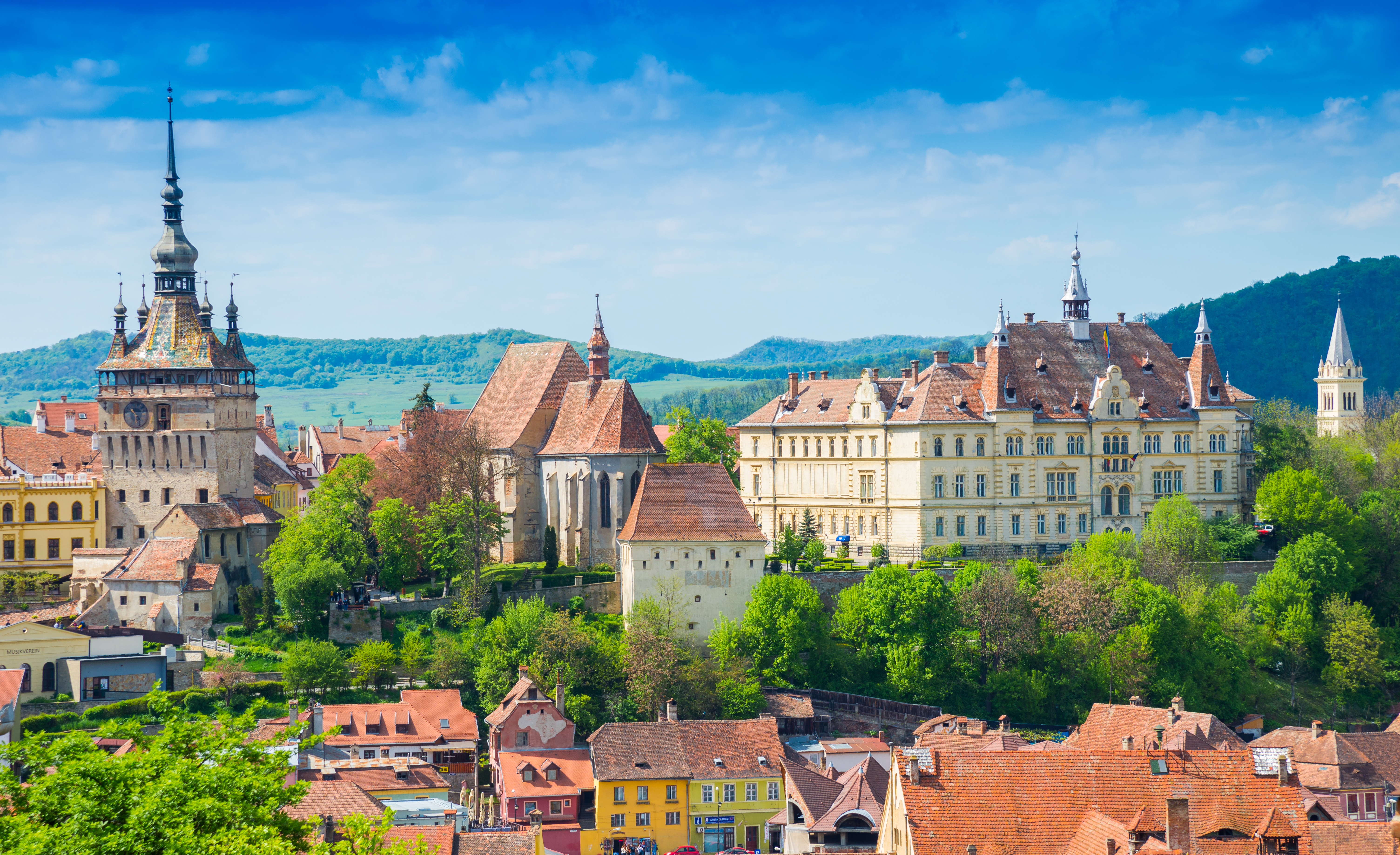
The Board of Directors of the National Bank of Romania (NBR) maintained the monetary policy interest rate at 6.50% per annum during its meeting on January 19, 2026, marking the 11th consecutive pause in its tight monetary policy stance. This decision, consistent with market expectations, aims to ensure medium-term price stability amid elevated inflation, focusing on a cautious, data-dependent approach. The next meeting of the NBR Board of Directors dedicated to monetary policy is scheduled for February 17, 2026, during which the board is expected to review the interest rate, as stated in the NBR Press Release dated �January 19, 2026.
Additionally, the Financial Supervisory Authority (FSA) has confirmed that CCP.RO Bucharest S.A. submitted a complete authorization file to become Romania’s Central Counterparty (CCP), allowing the process to enter the risk assessment phase. This regulatory process will involve an 80-day assessment period by both the FSA and the NBR, with ESMA conducting an independent evaluation, as per the FSA Press Release on February 3, 2026.
Steady Monetary Course
�NationalBank of Romania Maintains Interest Rate Amid Inflation Concerns and Advances CCP Authorization Process
Romania
Topics were as follows:
Self-image and Building Confidence – Understanding how teens perceive themselves and how parents can help them develop a positive and realistic self-image.
The Role of Parents in Learning – Exploring how parents can support their children’s education in a constructive way and collaborate effectively with schools.
Developing a Healthy Online Presence – Addressing the darker sides of the internet and social media, and how parents can help their children navigate the digital world safely and confidently.
Building Psychological Resilience After Failure – Teaching both parents and teens how to recover from setbacks and build inner strength.
All three speakers are accomplished psychologists, professors, and authors with decades of experience in education and child development.
Community support is a large part of the Well-being Focus period at Zaba, a key aspect of that is multiple volunteer activities the bank has organized which also encourage the development of togetherness and collegiality for Zaba employees. Volunteer activities are also organized often, all year long and all employees can find their niche and area of interest.
Finally, Zaba proudly supports UNICEF’s “Supportive Schools” program, which equips teachers and school staff with the tools to promote mental health among students. Through workshops, children and adolescents learn how to manage stress, cope with emotions, and build resilience.
�As part of this initiative, Zaba will include a UNICEF donation flyer with client statements in May, inviting all clients to support this important cause.
how the modern financial system operates
which decisions lead to smart saving and investing
how to responsibly build personal financial development
the most important lessons from banking practice
Understanding mental health is essential to preserving it. It’s not about perfection, but about maintaining a positive outlook, self-awareness, self-esteem, and the ability to manage challenges with optimism. Good mental health empowers us to adapt, learn, and grow through everyday experiences, relationships, and change.
�Zaba emphasized this by offering free psychological counselling and by encouraging employees to take part in resilience training and mental health talks – reminding everyone that it’s okay to seek help before small worries become big problems.
Furthermore, the activities continued with lectures for women employees to give them support during the period of perimenopause and menopause. The lectures were given by accomplished psychologists who were open to all kind of questions and advice for our women colleagues.
Lectures were also organised for parents of teens.
�Parenting teens can feel like an impossible mission. To help navigate this challenging period, Zaba introduced the TEENspiration lecture series – a set of online talks from February to May focused on strengthening parent-child relationships.�
Feeling at peace when leaving work and returning stress-free.
�Maintaining balance – feeling physically healthy, emotionally stable, and content in both personal and professional life.
�A deep sense of inner calm and being satisfied with oneself and one’s surroundings, regardless of external circumstances.
�
Respecting oneself and others, honouring both body and soul, and living in gratitude rather than fear.
�
Achieving harmony in all aspects of life – physical, emotional, mental, social, and professional.
�
Mental health as the foundation of overall well-being.�
For Zaba’s team, well-being goes far beyond physical health. It means:

Click on the plus symbol for further details
�
Click on the arrows for further details
�
UniCredit has been certified as a Top Employer 2026 for the tenth consecutive year, with UniCredit Bank Austria and UniCredit entities in Bosnia & Herzegovina (Mostar), Germany, Italy, Romania, Serbia, and the Group’s branch in Poland all receiving the recognition. The certification highlights the Group’s strong people strategy, commitment to diversity and inclusion, and focus on building an engaging work environment that supports continuous learning – values that directly benefit collaboration across GSS markets.
In Austria, UniCredit Bank Austria was praised for its comprehensive HR initiatives, flexible working models, and dedication to employee development and wellbeing. These strengths reinforce UniCredit’s ability to maintain stable, motivated teams – an essential foundation for delivering reliable, high‑quality support to our GSS partners and clients across the region.
UniCredit Bank Austria Named �“Top Employer 2026” Across CEE and Europe
HIGHLIGHTS



Head of Product Development �and Project Coordination, �Global Securities Services
Author
Katalin Bóta
Preserving a Living Legacy
In recognition of its extraordinary beauty, biodiversity, and cultural wealth, the Ovčar-Kablar Gorge was designated a protected natural monument in 2001 and later reaffirmed as a landscape of exceptional features in 2021.
In the embrace of this gorge where water sculpts rock, trees whisper in the wind, and centuries of faith intertwine with the pulse of the natural world, we find a rare harmony. The Ovčar-Kablar Gorge is not just a destination; it is a living world, a place to wander and wonder, where every step reveals the deep and enduring poetry of the Earth.
A Symphony of River and Rock
From high above, the gorge reveals its most breathtaking spectacle: the West Morava’s pinched meanders where the river twists so tightly between rock that it seems to defy reason. Viewed from the vantage point near Kablar’s summit, this complex weaving of water and stone resembles an organic labyrinth, the river’s path lit by dawn’s first golden rays.
These meanders are not just beautiful; they are unique. Some observers even liken their swirling pattern to the ancient Yin and Yang, where opposing forces converge in elegant harmony.
Below, the river’s constant motion nurtures life in hidden pockets, nurturing aquatic species and supporting lush vegetation along its banks. Trout dart beneath overhanging branches, dragonflies flit in shimmering flashes, and during the spring thaw, the water’s vibrant current carries the cool promise of renewal.
Where Monks and Mountains Meet
Imagine silent stone cloisters perched atop crags, their bell towers and domes catching the sun between shadows of pines. These monasteries first took root in the 14th century, when monks fleeing strife on the Byzantine Mount Athos sought sanctuary here. Over time, the hidden valleys and forested ridges offered not just seclusion but spiritual communion, becoming bastions of faith, culture, and art through centuries of upheaval.
Walkers can still trace silent paths worn by pilgrims. The Monastery of Vaznesenje (Ascension) and the Monastery of Preobraženje (Transfiguration) rise like silent guardians of a sacred past, their ancient walls resonating with the whispers of generations. Often, the hum of bees among wildflowers blends with the distant toll of a bell a sound that once echoed through these valleys, guiding weary travelers back to the light.
In quieter corners, hidden caves like Kađenica bear witness to darker chapters of history. Within their stone walls lie memorials of resistance and tragedy reminders that every landscape, no matter how beautiful, holds both wonder and sorrow.
Between Wildness and Wonder
Hiking trails wind through this sanctuary of stone and shadow, climbing past fern-covered banks and through patches of wildflower glory. Some paths trace the backbone of ancient ridges, offering dizzying views down into the heart of the gorge; others lead to moss-blanketed springs and quiet glades where time itself seems slow.
In spring and early summer, wild orchids burst forth in a delicate riot of colour, and hikers might spot elusive mushrooms thriving under the oak canopy, a testament to the area’s rich yet hidden biodiversity.
For those who seek deeper immersion, Ovčar Banja, a spa settlement nestled at the gorge’s edge, has long drawn visitors to its warm, mineral-rich waters. Here, in rustic pools warmed by nature’s own heat and enriched with therapeutic minerals, weary limbs find rejuvenation amid panoramic views of mountains and forests.

Implementation of Individual Investment Accounts for financial instruments.
Regular (annual) issuance of the so-called “people’s bond” – a government bond that can be purchased by individual investors in the primary issue.